Understanding the User Experience and Clinical Context
We conducted in-depth user research by visiting clinics, interviewing staff, and observing workflows. This allowed us to identify pain points and create design requirements that addressed real user needs.
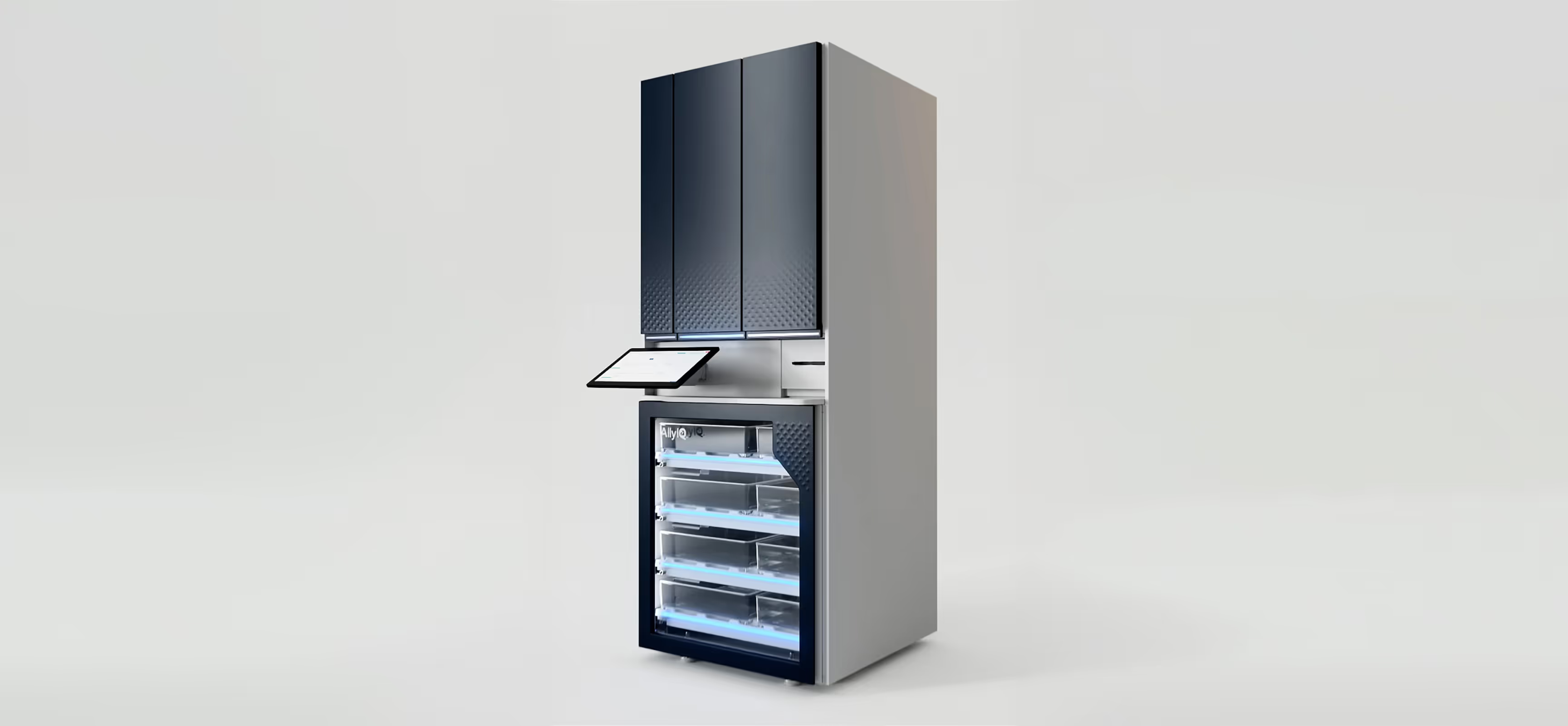
A significant insight emerged: Many clinics leave their smart cabinet doors unlocked, negating the purpose of tech-enabled storage. When medications are moved without software updates, existing systems cannot accurately track their location, leading to frustrating searches for medications during an already busy workday. To save time, nurses bypass the locks entirely. This inspired us to ask, “Could we solve a software problem with hardware?” — an exploration that ultimately led to tracking movable bins rather than individual medications.
Concept Exploration and Validation
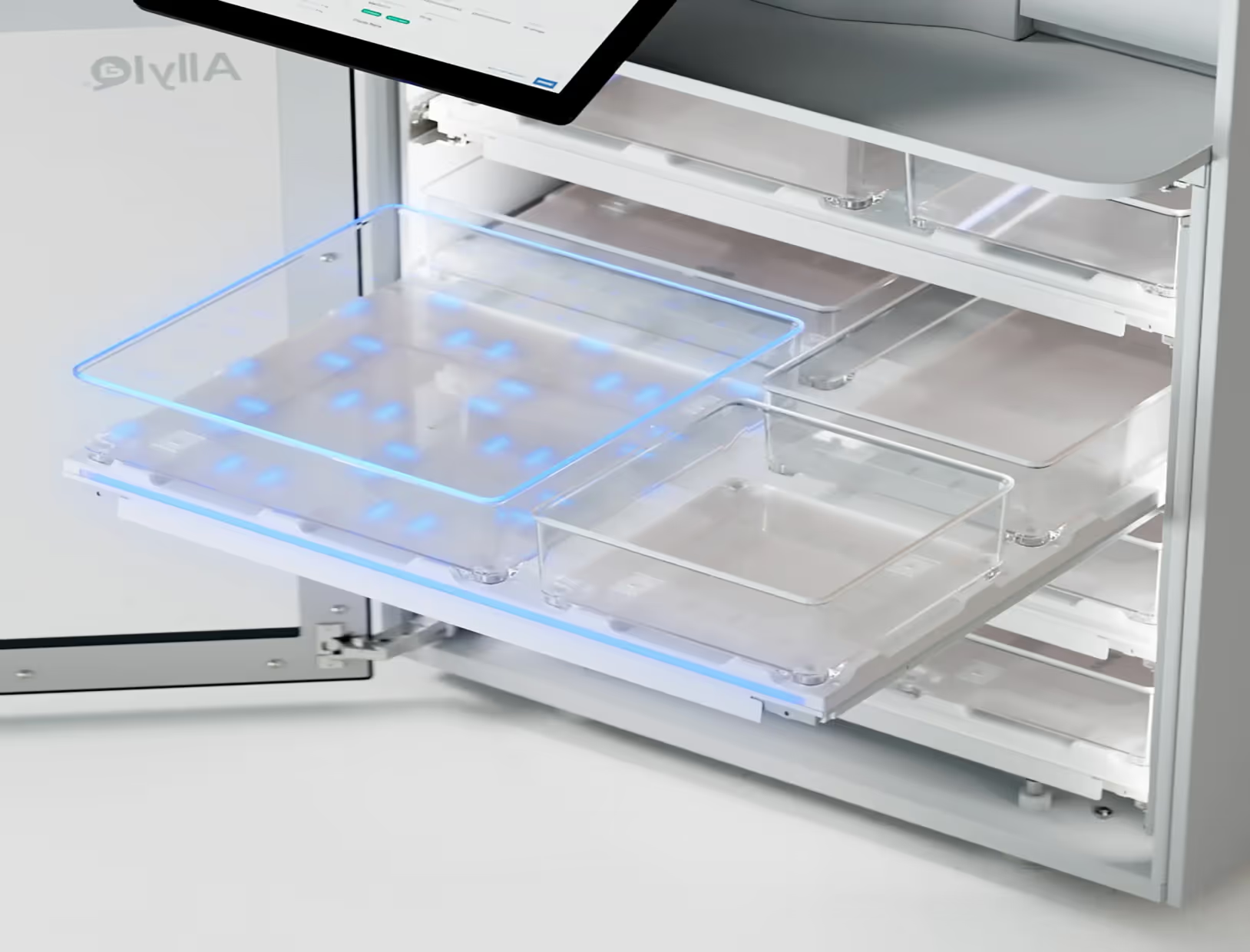
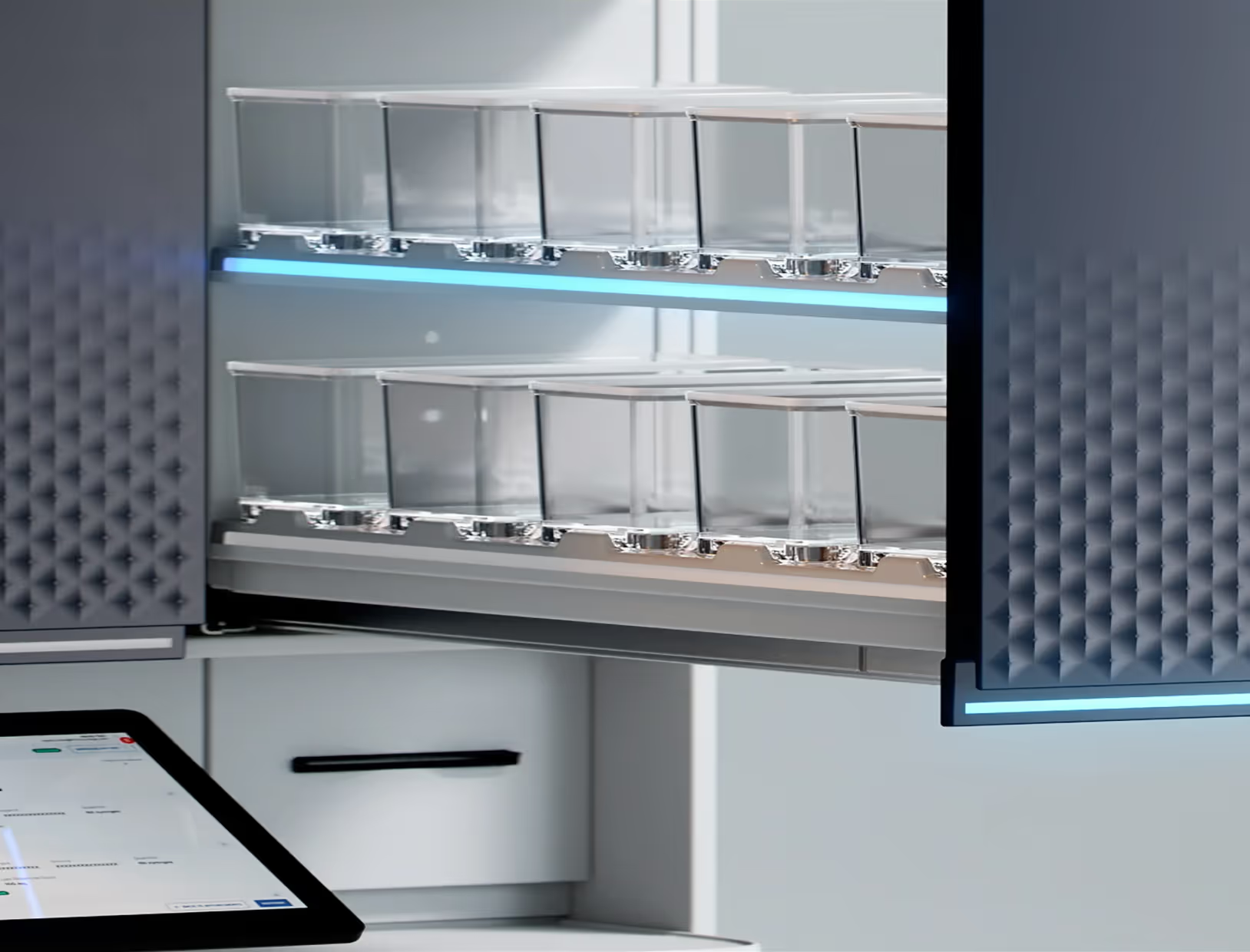
We started by creating functional prototypes to test drawer systems, utilizing 3D-printed trays and readily available slides to confirm the design's mechanics and usability. The team then designed a modular bin system grounded in a mathematical grid, facilitating multiple configurations with minimal hardware modifications.
The electrical design started with CAN bus protocols but iterated to find more cost-effective solutions for bin tracking, ensuring accurate data collection regardless of bin position or wire length. For usability, we prototyped LED wayfinding lights that guide users directly to the correct medication bin, simplifying interaction.
Collaboration across mechanical, hardware, and firmware teams was critical to ensuring that all components worked harmoniously.