Reimagining an Old-fashioned, Inefficient Solution
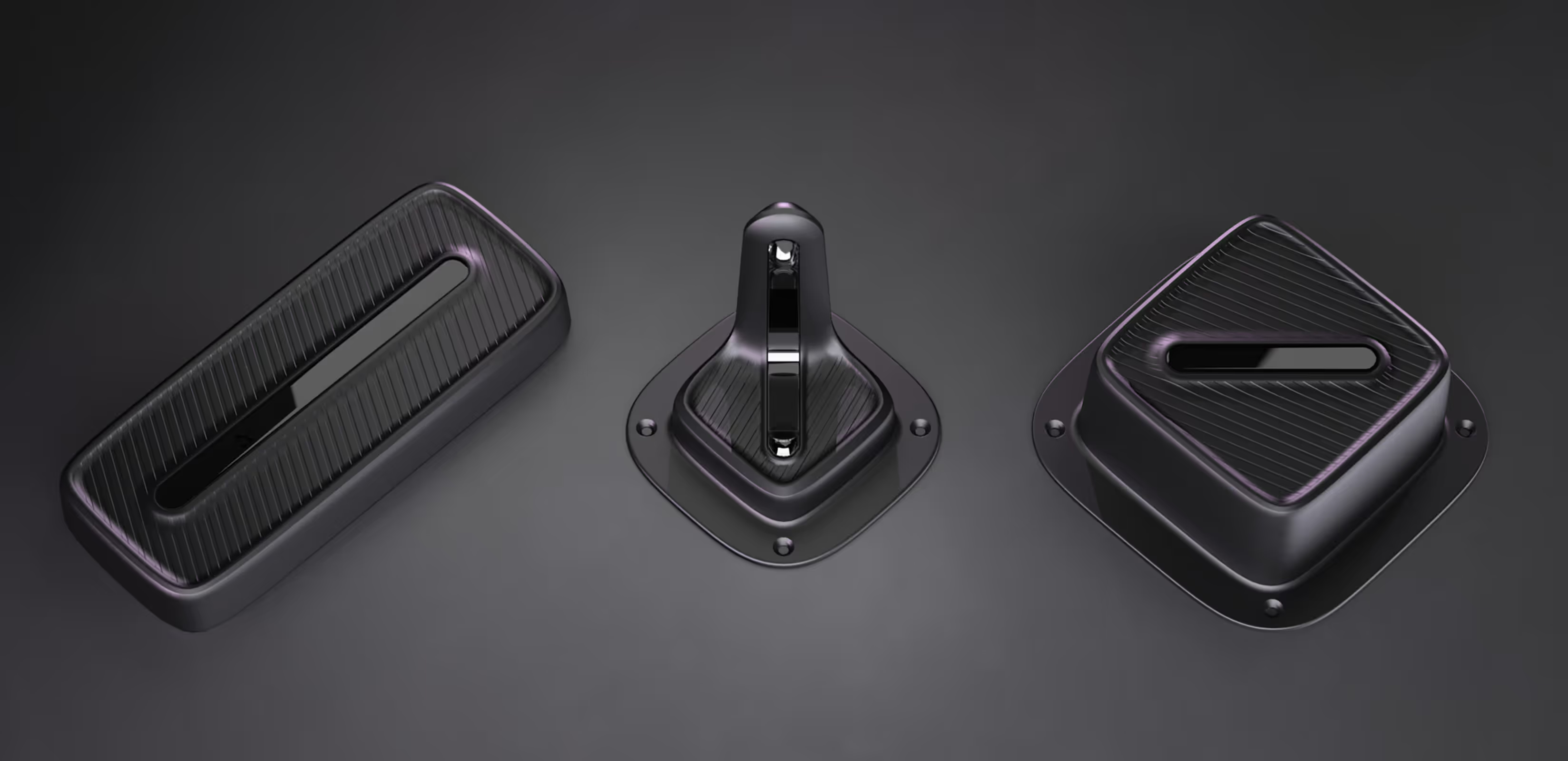
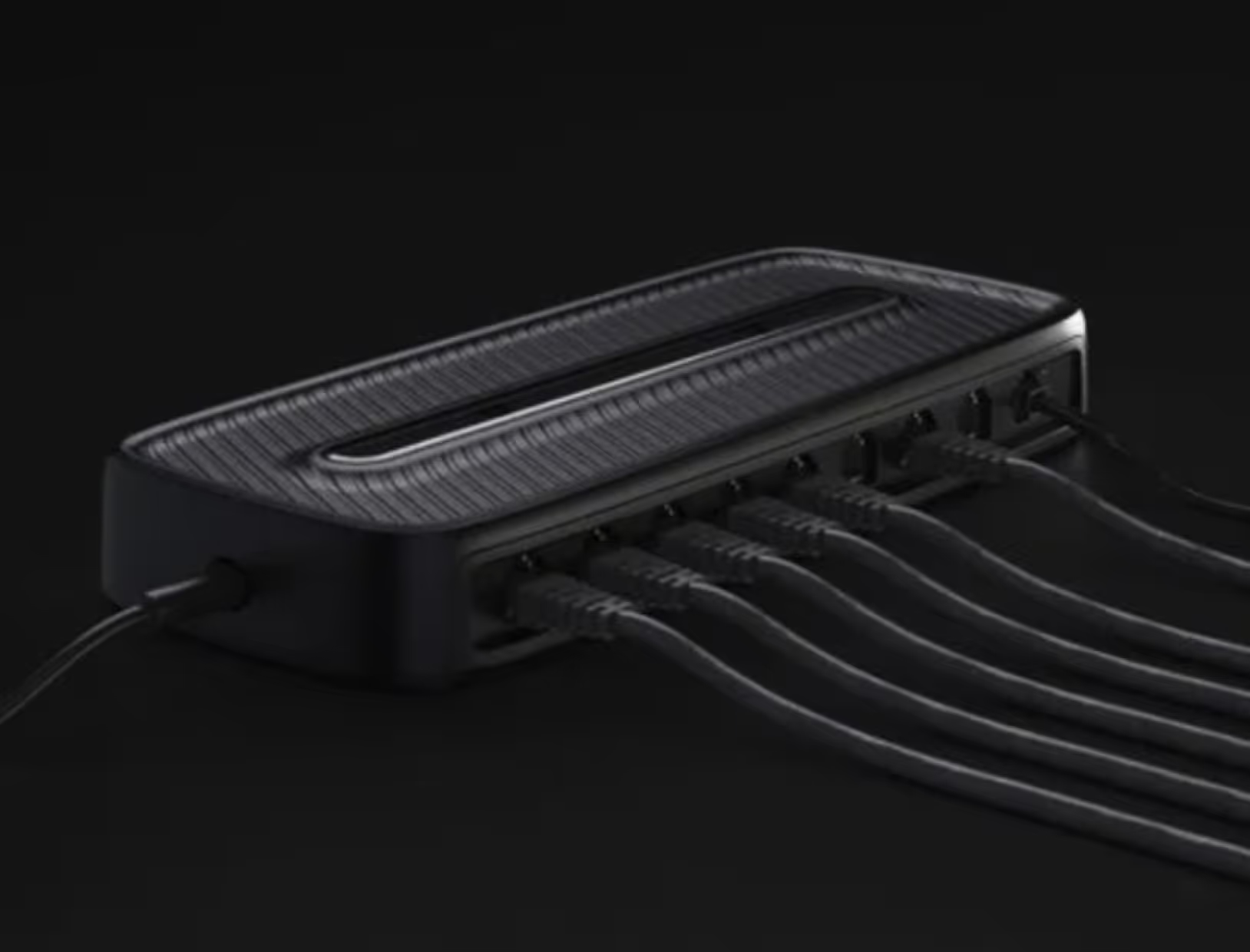
Existing roof heating systems are essentially “dumb” devices that require manual operation and treat the entire roof uniformly, ignoring the varying risks across roof facets. Depending on the roof’s architecture and its exposure to the sun, certain areas accumulate more snow and ice than others. The new system aimed to address these inefficiencies by dividing the roof into multiple zones, each independently monitored and heated as needed. This zoned approach promised significant energy savings.
Ensuring Reliability and Durability in Extreme Conditions
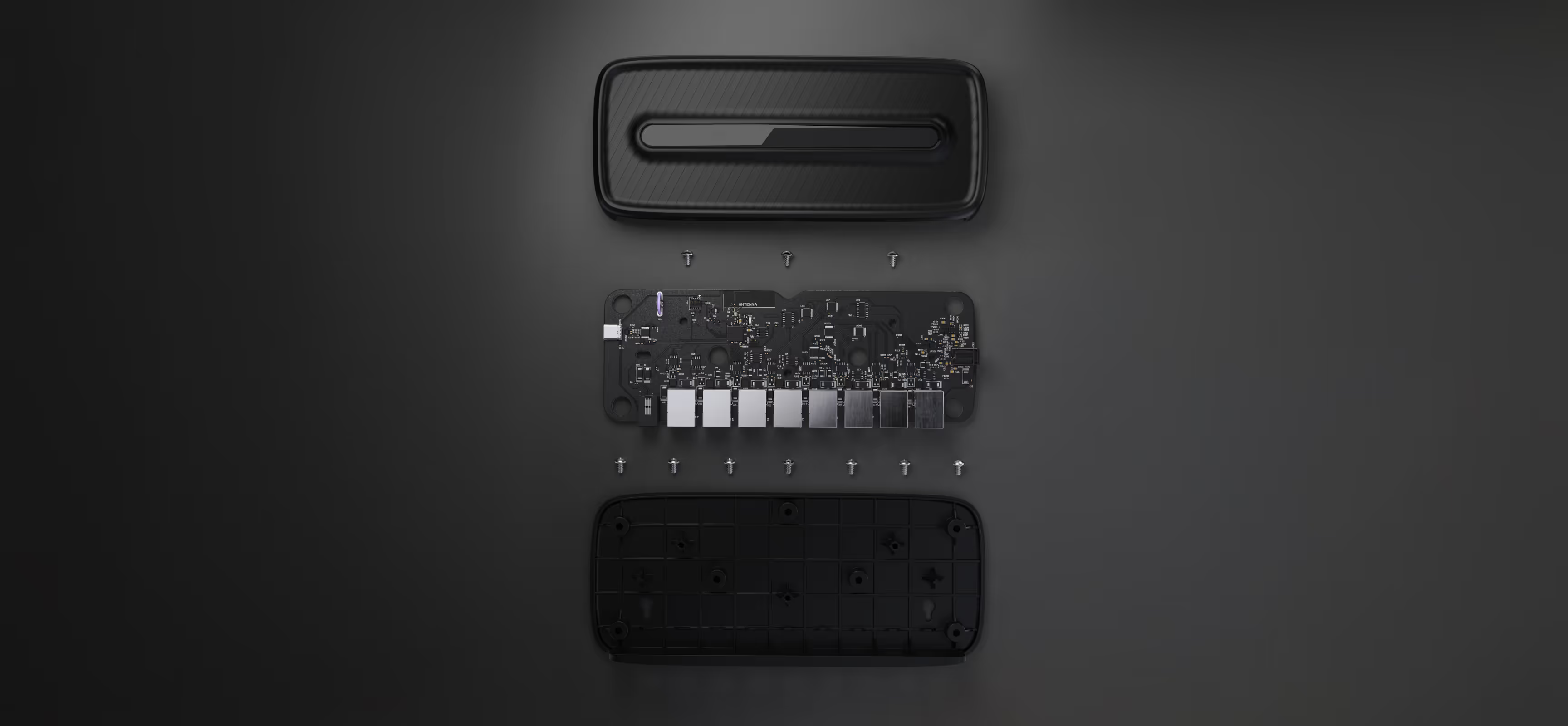
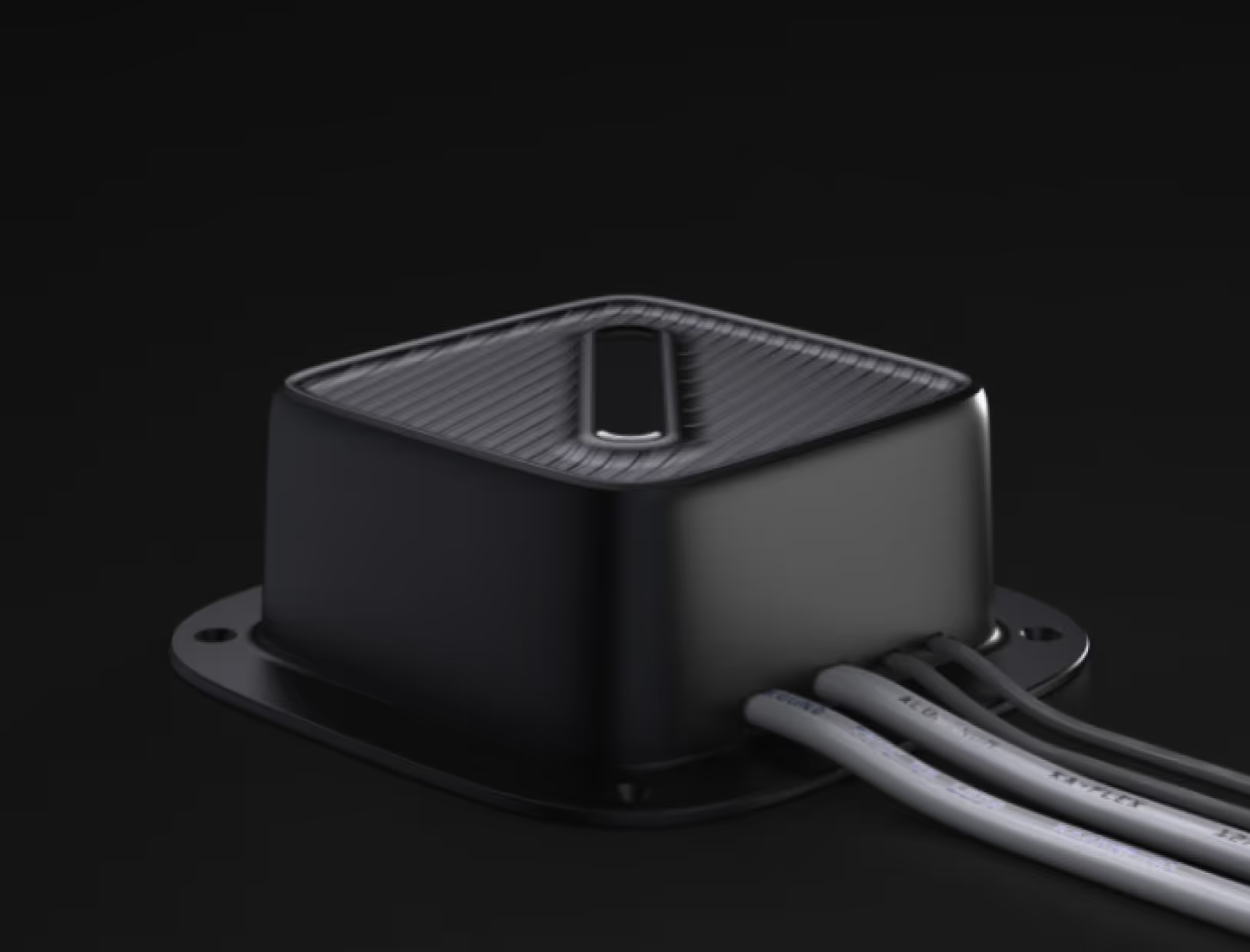
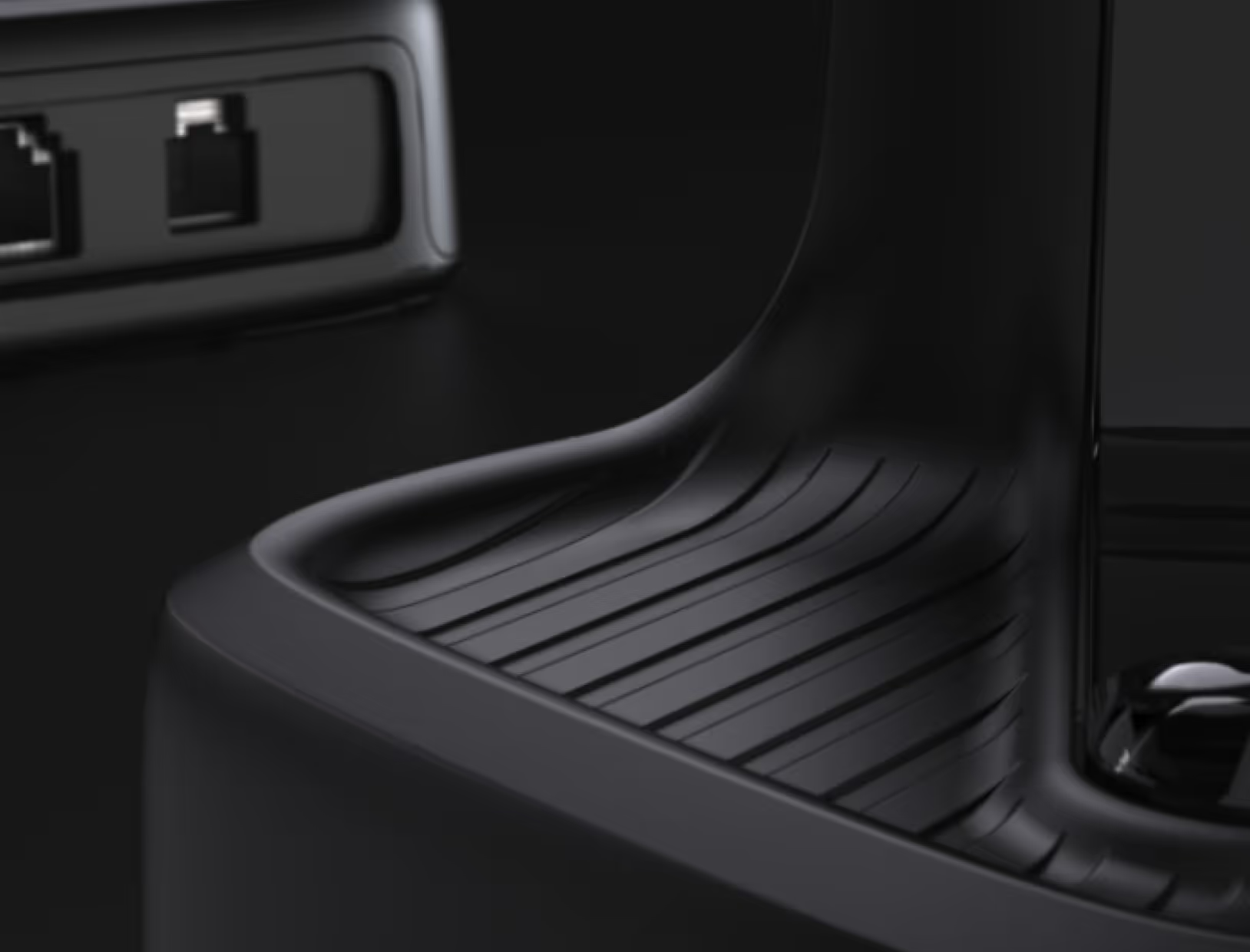
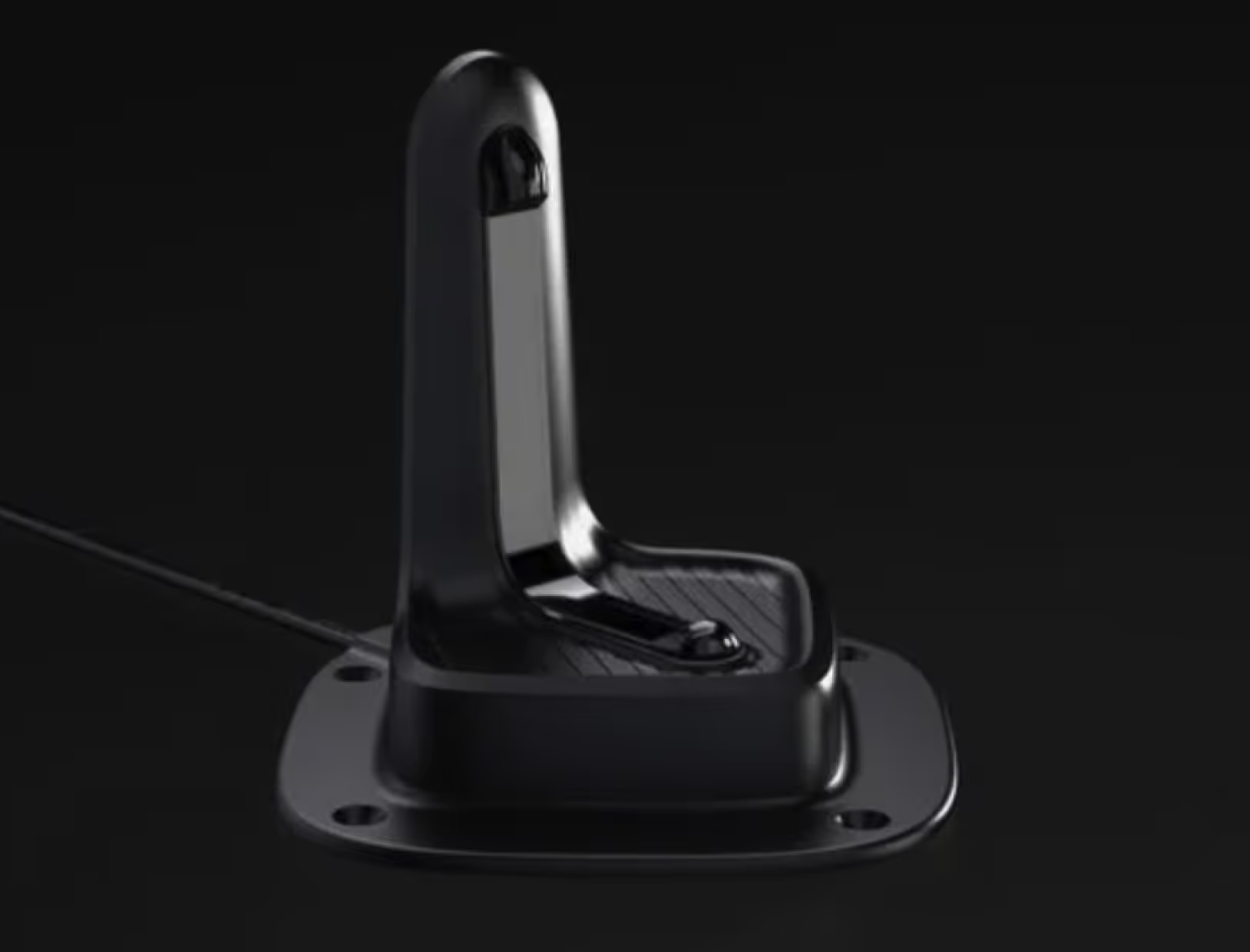
Material selection, waterproofing, and sensor functionality were critical to ensuring the system could withstand harsh conditions while operating reliably. The system’s reliability hinged on accurate snow and ice detection, achieved with custom PCBs for the snow sensor, control board, and gateway. An infrared beam solution was rigorously tested and refined to prevent refraction errors caused by transparent ice and snow. Research into plastic resins accounted for extreme cold and UV exposure, leading to upfront decisions about wall thickness and durability, which avoided costly redesigns later.
Pilot Testing for Installation Feedback
Low-volume pilot units were tested by professional roof technicians to gather feedback on usability and installation. This real-world testing revealed critical changes that would not have been identified otherwise, such as the need for larger switch enclosures to simplify wiring and improve installation efficiency. These units also supported UL and FCC certifications, streamlining approvals and reducing risks. By integrating end-user feedback at this stage, we prevented potential issues in mass production and enhanced overall product success.